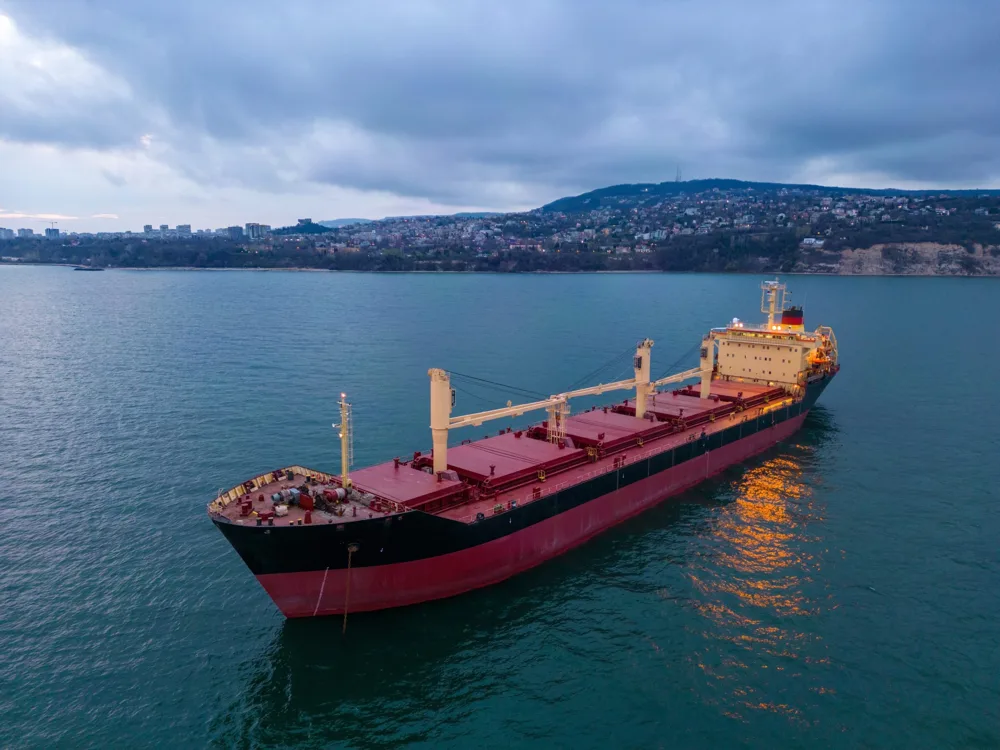
Bulk carriers
Carry loose dry cargo such as coal, iron ore, grain, sugar, cement and salt.
IMUCET, sponsorship, DNS, B.Sc Nautical Science, B.Tech Marine Engineering, fees, career ladders and officer salaries, explained in plain language for Kerala students and parents.
The Merchant Navy is the global commercial fleet that carries cargo, raw materials, energy and passengers across the world's oceans. Unlike a naval defence force, it is purely commercial and works under international maritime rules to keep global trade moving smoothly.
Over 85 to 90 percent of world trade moves by sea. If commercial ships stopped even for a day, supply chains would lose billions. When the container ship Ever Given blocked the Suez Canal, the disruption was estimated at hundreds of millions to over a billion dollars a day, which shows why trained officers are always in demand.
Carry loose dry cargo such as coal, iron ore, grain, sugar, cement and salt.
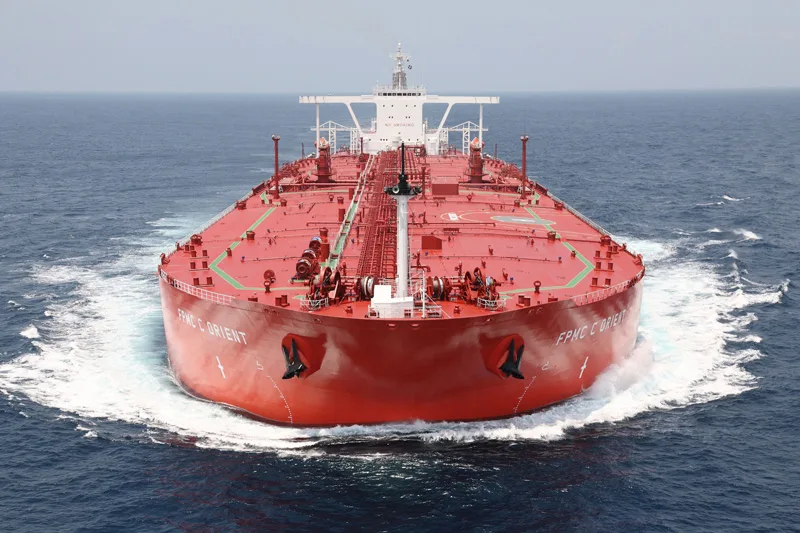
Carry crude oil, petrol, diesel, kerosene and aviation fuel. India brings in roughly 85% of its crude oil by ship.
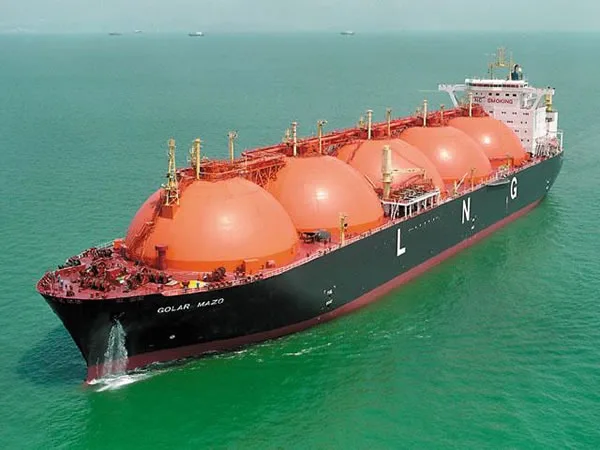
High-tech ships carrying cooking gas and natural gas under pressure or at extremely low temperatures.
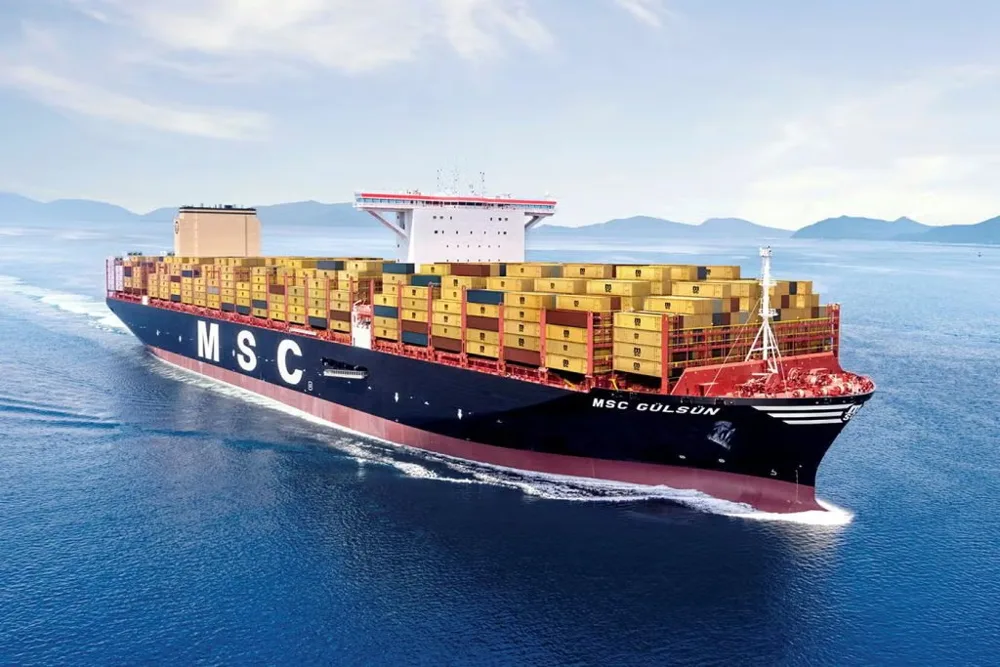
Carry standard containers across the world, or passengers on commercial voyages.
Seafarers sailing outside India on foreign-going ships for more than 183 days in a financial year can qualify for NRI status, which exempts their earnings (paid in USD or EUR) from Indian income tax. Please confirm the current rule with a tax adviser.
Typically 4 to 9 months of continuous duty on board, followed by a long break at home with family.
Worldwide travel, early financial independence and a performance-based ladder that can reach senior command in 8 to 12 years.
Two officer departments you can join after Plus Two Science.
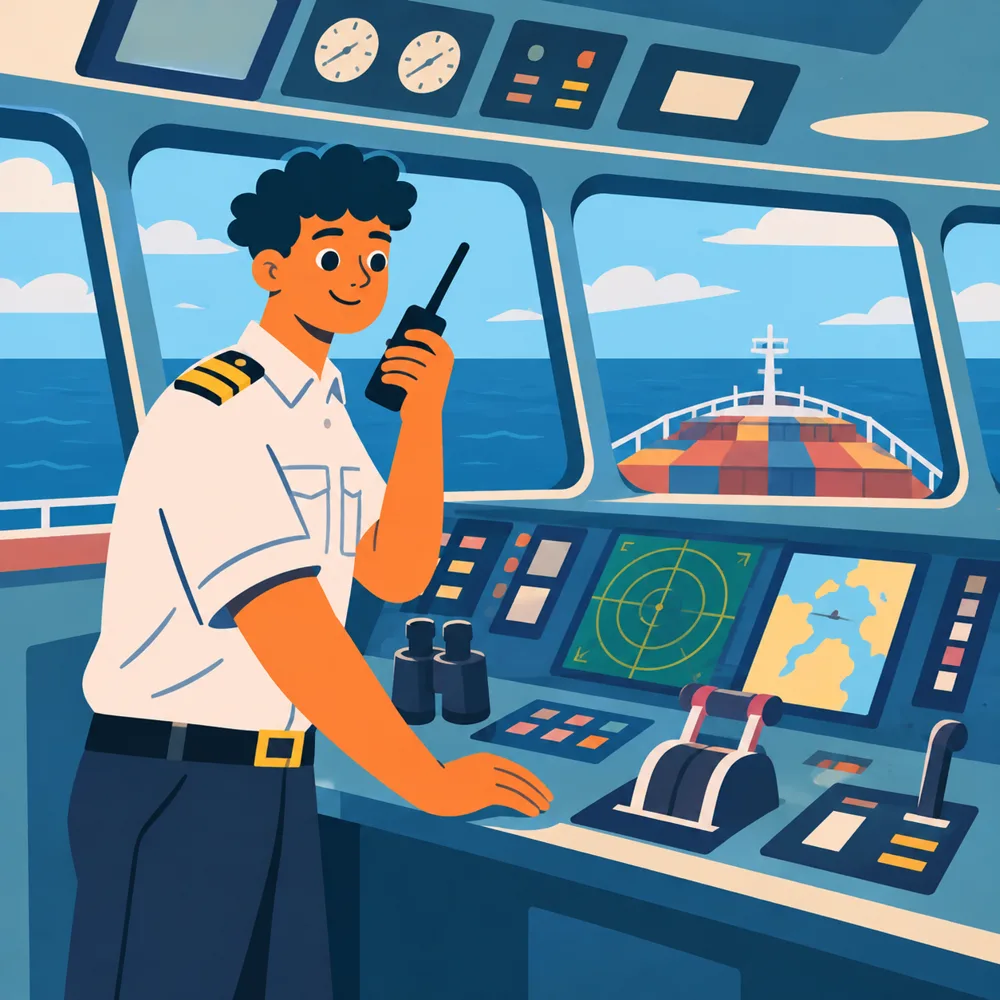
Like aircraft pilots, deck officers navigate safely from the bridge: watchkeeping, voyage planning, cargo loading and discharging, ship stability, maritime law and overall safety.

A ship worth hundreds of crores cannot call a mechanic mid-ocean. Marine engineers live on board and operate, maintain and repair the main engine, generators, boilers, refrigeration, hydraulics and automation.
Gears, pistons and pressure: the heart of every voyage.
The Indian Maritime University Common Entrance Test is the national computer-based test that opens the door to maritime degree courses.
Courses covered: Diploma in Nautical Science (DNS), B.Sc Nautical Science, B.Tech Marine Engineering and B.Tech Naval Architecture & Ocean Engineering.
Online registration opens around March or April. The national exam is held in May or June.
August is the main intake for all UG courses. February is a smaller intake, mainly for DNS. The May/June rank stays valid for both intakes in that cycle.
A score of 120 to 150 out of 200 generally gives an All India Rank under 1,500, which opens premier government IMU campuses and top company sponsorships.
| Section | Questions | Level |
|---|---|---|
| Physics | 50 | Class 11 and 12 |
| Mathematics | 50 | Class 11 and 12 |
| Chemistry | 20 | Class 11 and 12 |
| English grammar, vocabulary and comprehension | 40 | Language |
| Aptitude, reasoning and general knowledge | 40 | Class 10 maths, percentages, ratios, time and work, blood relations, seating, coding-decoding, geography, sea routes, current affairs |
Class 12 (Plus Two Science or equal) with Physics, Chemistry and Mathematics, with at least 60% aggregate in PCM (5% relaxation for SC/ST) and at least 50% in English in Class 10 or 12. Many premier shipping companies ask for 65 to 75% in PCM and 60%+ in English for sponsorship.
Unmarried candidates only.
| Category | Male | Female |
|---|---|---|
| General | 25 years | 27 years |
| OBC-NCL | 28 years | 30 years |
| SC / ST | 30 years | 32 years |
Minimum age is 17 years for DNS. For B.Sc and B.Tech there is no strict 17-year floor once Class 12 is complete, because students turn 18 before boarding a ship.
Fitness must be certified by a DG Shipping approved doctor. Colour blindness is not allowed in any stream.
6/6 unaided in both eyes. For B.Sc the IMU accepts 6/6 in the better eye and 6/9 in the other, though shipping companies prefer 6/6 in both. LASIK is allowed subject to DG Shipping norms.
Unaided vision up to 6/12 in both eyes (or 6/9 in the better eye and 6/18 in the other), correctable to 6/6 with spectacles up to ±2.5 diopters.
Please check: marks, age limits and vision norms are revised from time to time. Always confirm with the latest IMUCET and DG Shipping notices, and get the medical done before you pay for any course.
| Parameter | DNS | B.Sc Nautical Science | B.Tech Marine Engineering |
|---|---|---|---|
| Ship department | Deck | Deck | Engine |
| Pre-sea college | 1 year | 3 years | 4 years |
| Cadet sea time | 18 months | 12 months | 6 months |
| Degree | B.Sc (Applied Nautical Science) after 18 months at sea | B.Sc Nautical Science on graduation | B.Tech Marine Engineering on graduation |
| First officer CoC exam | Second Mate (2MFG) | Second Mate (2MFG) | MEO Class IV |
| Eyesight | 6/6 both eyes, unaided | 6/6 better eye, 6/9 other, unaided | Correctable to 6/6 (spectacles up to ±2.5) |
| Sponsorship | Mandatory before college | Optional, campus placement available | Optional, campus placement available |
| Typical fees | ₹5 to ₹8 lakh | ₹8.25 to ₹23 lakh | ₹11 to ₹25.9 lakh |
| Peak rank | Captain | Captain | Chief Engineer |
Clear the entrance, impress the company, and sail.
Sponsorship is a pre-placement guarantee from an established shipping company or ship manager, issued before you join a maritime college. It guarantees you an onboard training berth after the pre-sea course. It is not a scholarship: you still pay college fees, although banks readily give education loans against a sponsorship letter.
Secures your job before Day 1 of college. It is mandatory for DNS and optional, though very helpful, for B.Sc and B.Tech.
Companies recruit in the 2nd, 3rd or 4th year of a B.Sc or B.Tech during campus drives.
Which comes first? Sponsorship forms come first. Applications for company sponsorship and private colleges open from November/December to April for the August intake (and September to November for the February DNS intake). Clear the company tests first or alongside IMUCET registration, then write IMUCET in May/June.
Track the forms of 25+ leading companies such as Anglo-Eastern, Synergy, Fleet Management, Scorpio, MSC, Torm, Maersk, Great Eastern, Executive Ship Management, Wilhelmsen, V.Ships, Wallem and BSM.
Class 11 and 12 PCM concepts, English, logical aptitude and spatial reasoning.
Senior Captains, Chief Engineers and HR check physics basics, trigonometry, maritime awareness, communication and leadership.
Personality, behaviour and emotional readiness for long voyages.
DG Shipping approved medical and verification of the required IMUCET rank.
Never pay money to unauthorised agents or middlemen who promise ship placements, guaranteed sponsorships or backdoor admissions. Genuine admissions happen only through official company portals, DG Shipping approved institutes and the official IMUCET process.
A tracker of 25+ premier companies is worth keeping. These are some of the well-known names that run cadet sponsorship programmes.
Focus on the reputation and fleet strength of the sponsoring company or recruiting college. A seat in a 3-year B.Sc programme at a premier institute with strong campus placement is far safer than a DNS sponsorship from an unreliable firm with 12 to 18 months of waiting between contracts.
Tankers (crude, product, chemical, LPG/LNG) pay more at senior ranks because of strict cargo safety standards. Dry cargo ships (containers and bulk carriers) often offer faster promotions and more frequent port calls. Both lead to rewarding careers.
Government institutes cost the least and are filled by IMUCET rank. Private institutes cost more and open their applications earlier.
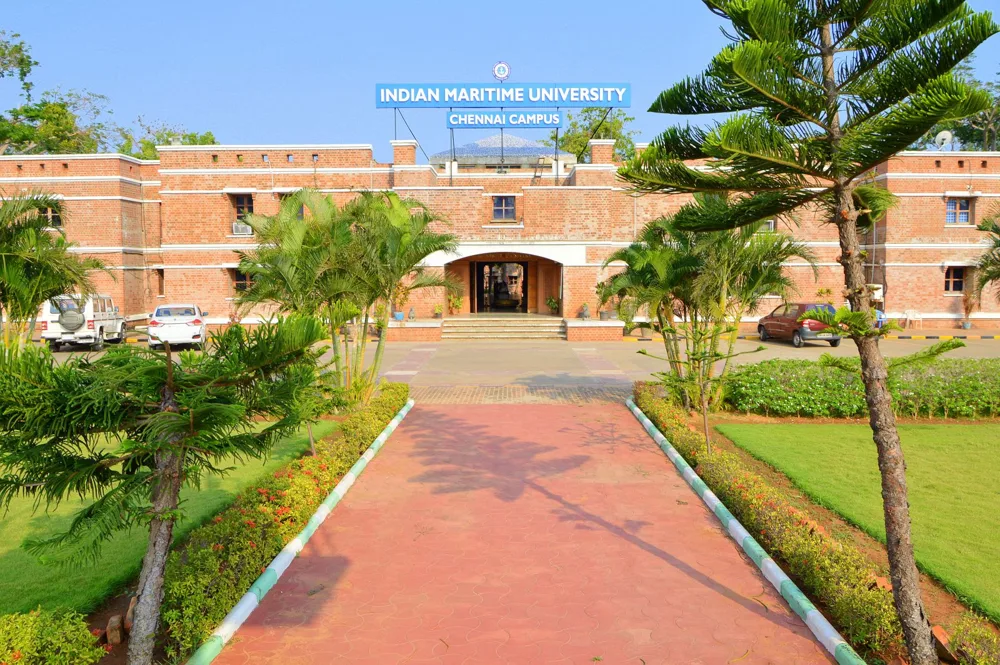
IMU Navi Mumbai (TS Chanakya), IMU Kochi, IMU Kolkata (MERI), IMU Mumbai Port and IMU Chennai. Admission is through your IMUCET rank.
TMI Pune, TS Rahaman, AMET, SIMS Lonavala, HIMT and IMI, among others. DNS academies also include AEMA, GEIMS, SIMTI, IMI Noida and MTI (SCI).
| Course | Government IMU campuses | Private institutes |
|---|---|---|
| DNS | Offered at IMU campuses | ₹5 to ₹8 lakh (tuition, hostel, meals, uniform) |
| B.Sc Nautical Science | About ₹8.25 lakh | ₹14 to ₹23 lakh |
| B.Tech Marine Engineering | About ₹11 lakh | ₹17 to ₹25.9 lakh |
How to choose: sponsorship letters help you get an education loan, so apply for sponsorship early. Check the college's placement record and the company behind your sponsorship before you pay any fee.
From application to joining maritime college.
Finish Plus Two Science with Physics, Chemistry and Mathematics (60% in PCM, 50% in English).
Sponsorship and private college applications open and stay open until April.
IMUCET online registration opens.
Write IMUCET and note your rank. A score of 120 to 150 out of 200 generally gives an All India Rank under 1,500.
Written test, technical and HR interview and psychometric test with your sponsoring company.
DG Shipping approved medical and verification of your IMUCET rank cut-off.
Main intake: join your maritime college. February is a smaller intake, mainly for DNS.
Every Master once stood watch at night as a Third Officer.
Both departments follow a four-tier officer ladder. Each step needs the required sea time and a Certificate of Competency (CoC) exam conducted by the Mercantile Marine Department under the DG Shipping.
| Rank | Core duties | Monthly earnings (tax-free) |
|---|---|---|
| 1. Deck Cadet Trainee officer | Assists bridge officers in watchkeeping, cargo operations, deck maintenance and structured shipboard training | $400 to $800 ₹25,000 to ₹50,000 stipend |
| 2. Third Officer → Second Officer | 8-hour daily bridge watch. Third Officer looks after lifesaving and firefighting gear; Second Officer plans voyages and charts | $3,000 to $5,500 ₹2.5 to ₹4.5 lakh |
| 3. Chief Officer Chief Mate | Second in command and head of the deck department: cargo, ballast, stability and deck crew | $7,000 to $12,000 ₹6 to ₹10 lakh |
| 4. Captain Master Mariner | Supreme command and legal authority on board: safety, navigation, crew welfare, environment and commercial operations | Bulk / container: $9,000 to $12,000 Oil tankers: $10,000 to $15,000 Gas (LPG/LNG): $12,000 to $25,000 (up to ₹20 lakh+) |
| Rank | Core duties | Monthly earnings (tax-free) |
|---|---|---|
| 1. Junior Engineer / TME | Trains under senior engineers in engine room watchkeeping, machinery tracing, pipelines and routine maintenance | $400 to $800 ₹25,000 to ₹50,000 stipend |
| 2. Fourth Engineer → Third Engineer | Certified engine watchkeeper. Fourth Engineer handles purifiers, compressors and bunkering; Third Engineer handles generators and boilers | $3,000 to $5,500 ₹2.5 to ₹4.5 lakh |
| 3. Second Engineer | Executive manager of daily engine room work: assigns maintenance and looks after the main engine | $7,000 to $12,000 ₹6 to ₹10 lakh |
| 4. Chief Engineer | Head of the engine department (equal in rank and pay to the Captain), accountable for all propulsion systems and fuel efficiency | Bulk / container: $9,000 to $12,000 Oil tankers: $10,000 to $15,000 Gas (LPG/LNG): $12,000 to $25,000 (up to ₹20 lakh+) |
About the numbers: salaries are indicative monthly figures and vary by company, ship type and contract. Tax-free earnings apply only to seafarers who qualify for NRI status under the current rules.
| Step | Deck | Engine |
|---|---|---|
| First officer rank | Second Mate (2MFG) CoC written and oral exams (plus the IMU B.Sc exam for DNS cadets) | MEO Class IV CoC written and oral exams, after 6 months of sea service as TME |
| Senior officer | 12 to 18 months of watchkeeping, then First Mate Phase I and II CoC exams | 12 to 18 months of watchkeeping, then MEO Class II CoC exams |
| Top of the ladder | Required sea service as Chief Officer, then Master (FG) CoC exam. Captain is achievable in 10 to 12 years | Required sea service as Second Engineer, then MEO Class I CoC exam to become Chief Engineer |
In short: with steady performance, officers can reach senior command positions in about 8 to 12 years.
What your sea time looks like once college is done.
Typically two 9-month or three 6-month contracts as a Deck Cadet.
Two 6-month contracts as a Deck Cadet after graduation.
Six months as a Trainee Marine Engineer after the degree.
Deck cadets assist bridge officers in navigational watchkeeping, cargo operations and deck maintenance. Once qualified, officers keep an 8-hour daily watch.
Cadets follow a structured shipboard training programme. Engine trainees learn engine room watchkeeping, machinery tracing, pipeline work and routine maintenance under senior engineers.
Contracts typically run 4 to 9 months of continuous duty on board, followed by an extended break at home with family.
IMUCET is the national computer-based entrance test conducted by the Indian Maritime University. It is the main gateway to DNS, B.Sc Nautical Science, B.Tech Marine Engineering and B.Tech Naval Architecture and Ocean Engineering. The test is 3 hours long with 200 multiple choice questions, +1 for a correct answer and −0.25 for a wrong one.
Class 12 with Physics, Chemistry and Mathematics with at least 60% aggregate in PCM (5% relaxation for SC/ST) and at least 50% in English in Class 10 or 12. Candidates must be unmarried, meet the age limit and pass a DG Shipping medical with the required vision standard. Many top shipping companies ask for higher marks for sponsorship.
A sponsorship is a pre-placement guarantee from a shipping company, issued before you join a maritime college, that gives you an onboard training berth after your pre-sea course. It is not a scholarship, so you still pay college fees, although banks give education loans against a sponsorship letter. It is mandatory for DNS and optional for B.Sc and B.Tech.
DNS and B.Sc lead to the deck branch and a Captain's career, while B.Tech leads to the engine branch and Chief Engineer. DNS is the quickest and cheapest way to start earning, B.Sc gives a full three-year college life and a degree before going to sea, and B.Tech gives the widest options for shore-based jobs later. The shipping company you are sponsored by matters more than the course name.
As indicative figures, cadets and trainees receive a stipend of about $400 to $800 a month, Third and Second Officers or Fourth and Third Engineers about $3,000 to $5,500, Chief Officers and Second Engineers about $7,000 to $12,000, and Captains and Chief Engineers about $9,000 to $25,000 depending on the ship type. Actual pay depends on the company and the ship.
Colour blindness is not allowed in any stream. Deck courses need 6/6 unaided vision, with the IMU accepting 6/6 in the better eye and 6/9 in the other. Engine courses allow unaided vision up to 6/12 in both eyes, correctable to 6/6 with spectacles up to ±2.5 diopters. Always get a DG Shipping approved medical first.
With steady performance, officers can reach senior command positions in about 8 to 12 years. Each rank needs the required sea time and a Certificate of Competency exam conducted under the Directorate General of Shipping.
IMUCET and company sponsorship exam preparation with Navigator Voice, led by a Merchant Navy Officer. Talk to our team in Kollam or Ernakulam, or message us on WhatsApp.